A good crochet coaster is worsted-weight cotton, worked tightly with a hook around 4 mm (G-6), and about 4 inches (10 cm) across. Cotton, because it soaks up condensation and is not bothered by heat. Four inches, because that clears the base of most mugs and glasses with a little margin. Keeping it flat is arithmetic: a circle needs the same number of new stitches in every round, and the two classic faults, ruffling and cupping, come from adding too many or too few.
Why Cotton
A coaster has two jobs. It catches the water that runs down a cold glass, and it stands between a hot mug and the table.
Cotton does both. It absorbs moisture instead of letting it pool (up to 27 times its own weight in water, by Cotton Incorporated's figure), it takes the heat of a mug without changing, and it goes in the washing machine when coffee gets spilled on it. Acrylic barely absorbs water; the fiber takes up only 1.5 to 2 percent of its weight in moisture from the air, so condensation sits on the surface or runs off the edge onto the wood. It is also a plastic, and best kept away from anything straight off the stove.
Matte kitchen cotton, the kind sold for dishcloths, is soft and thirsty, and is the usual choice. Mercerized cotton gives sharper stitches and a slight sheen, which suits lacy or decorative coasters. Linen and cotton-linen blends work as well. Wool absorbs and insulates too, but it needs hand washing, which is a lot to ask of a coaster.
Use a hook 0.5 to 1 mm smaller than the label suggests. The label on Lily Sugar'n Cream, a widely sold kitchen cotton, says 5 mm (H-8), so that means 4 mm (G-6) or 4.5 mm (7). A dense fabric lies flatter and gives a glass a level surface to stand on.
How Big to Make Them
| Coaster for | Size |
|---|---|
| Standard mug or glass | 4 in (10 cm) across, round or square |
| Oversized mug, pint glass, or cups you have not seen | 4.5 in (11.5 cm) |
| Car cup holder | Measure the holder; ready-made car coasters are 2.56 in (65 mm), or 2.75 in (70 mm) for trucks and SUVs |
| Mug rug, with room for a cookie | From 4 by 6 in up to 6 by 10 in; 6 by 9 in is the most common |
| Trivet for a teapot or dish | 7 to 8 in (18–20 cm), double thickness |
Four inches is also what the shops sell: ready-made coasters run from 3.5 to 4.5 inches, with 4 the standard for both round and square. The test is simple: set the cup on the coaster and look for about half an inch showing all around.
Keep the center smooth. Bobbles, popcorn stitches and raised flowers look good, but a glass rocks on them. Put any texture at the rim and leave the middle flat.
Round, Square or Hexagon
Round coasters start from a magic ring and grow by evenly spaced increases. They are the classic shape, and the one that goes wrong most often, which is what the next two sections are for.
Square coasters can be worked in rows, which involves no increasing at all, or from the center out with the increases in the four corners. A square made in rows looks tidier with one round of single crochet around the outside, with 3 stitches in each corner so the border turns without pulling.
Hexagons are circles with the increases stacked. Put the six increases in the same place every round and six corners appear. Many patterns sharpen them by working a chain between the two corner stitches. Hexagons sit edge to edge, so a set can be pushed together under a serving dish.
Three coasters from the collection whose names tell you the motif: a flower, a hexagon and a smile.

Crochet Coasters Flower Easy Pattern
See the listing ↗
Flower, Hexagon 3crochet Coaster PDF
See the listing ↗
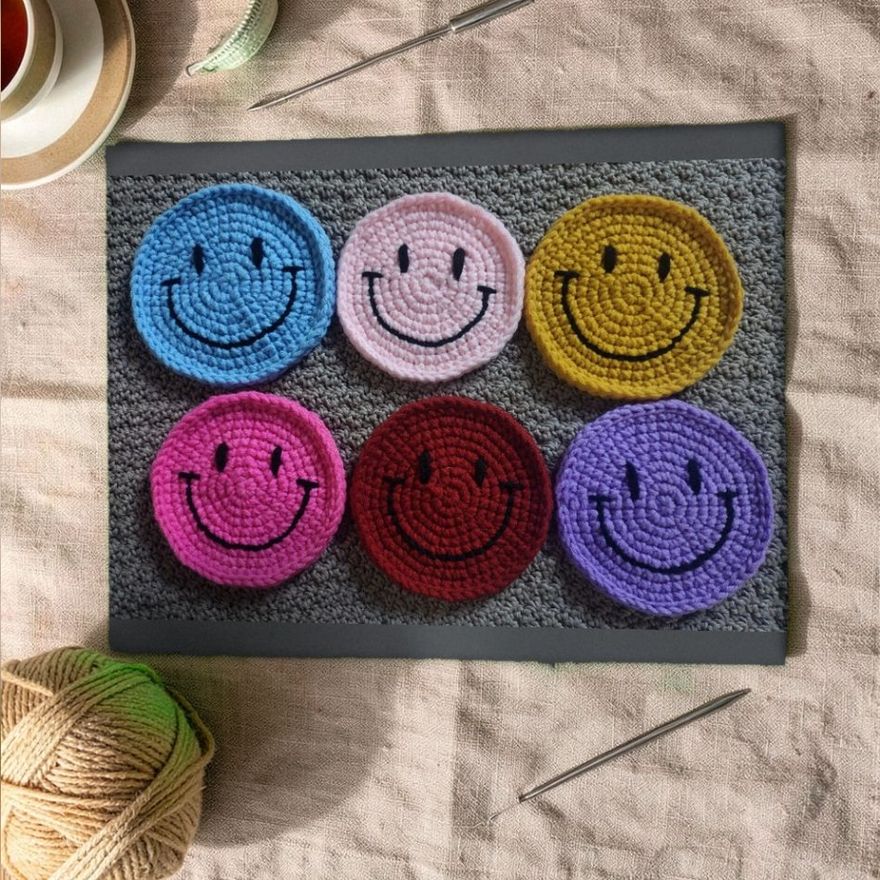
Smile Coaster Crochet Pattern
See the listing ↗From the collection Crochet Baskets & Coasters. New Creative Fabrica members get 10 free downloads, and any of these can be one of them.
The Arithmetic of a Flat Circle
Each round adds one stitch height to the radius of the circle. The edge therefore has to get longer by a fixed amount each round, a little over six times that height. A single crochet is about as wide as it is tall, so six new stitches per round do it. Taller stitches need more:
- Single crochet: start with 6, add 6 every round.
- Half double crochet: start with 8, add 8 every round.
- Double crochet: start with 12, add 12 every round.
- Treble crochet: start with 18, add 18 every round.
The rule in one line: every round adds as many stitches as round 1 had.
In single crochet, the first rounds look like this:
| Round | Work | Stitches |
|---|---|---|
| 1 | 6 sc in a magic ring | 6 |
| 2 | inc in every stitch | 12 |
| 3 | (sc 1, inc) 6 times | 18 |
| 4 | (sc 2, inc) 6 times | 24 |
| 5 | (sc 3, inc) 6 times | 30 |
| 6 | (sc 4, inc) 6 times | 36 |
Carry on the same way, with one more plain stitch between increases each round. The stitch count is always six times the round number, so round 8 ends with 48.
In worsted cotton, 4 inches usually takes seven to nine rounds of single crochet, or three to four rounds of double crochet. At the gauge on a kitchen cotton label, 14 rows to 4 inches, seven rounds reach a 2-inch radius; a smaller hook makes shorter stitches and needs a round or two more. Measure the piece; do not trust the round number.
If the abbreviations are new, they are explained in how to read a crochet pattern.
Why It Ruffles and Why It Cups
A wavy, ruffled edge means too many stitches. The edge is longer than the circle can hold flat, so it folds. Count the last round. The usual causes are an increase worked twice, or, in joined rounds, a stitch worked into the slip stitch join, which adds one extra stitch every round without your noticing.
A cupped edge that curls into a bowl means too few stitches. The usual causes are a missed increase or a round worked with no increases at all. That is exactly how a basket gets its sides, which is useful to know but not what you want here.
If the count is right and the circle still misbehaves, your stitches have different proportions from the designer's. Short, wide stitches ruffle: work one round without increases and carry on. Tall, narrow stitches cup: add two or three extra increases, spread evenly, in the next round.
A slight wave or a gentle cup will block out. A strong one will not, so pull back to the last flat round and fix the count.
Stop and lay the work on a table every two rounds. A circle that is going wrong shows it early, when it costs two minutes to correct.
Keeping a Circle Round
Follow the table exactly and by round 7 or 8 the circle shows six soft corners, because every increase sits on top of the one before.
To keep it round, shift the increases on alternate rounds. On a round that reads (sc 4, inc) six times, work sc 2, inc, then (sc 4, inc) five times, then sc 2. The count is the same, and the increases land halfway between the previous ones.
Blocking
Cotton coasters take wet blocking well. Soak the coaster for 15 to 20 minutes, press the water out in a towel, pin it to 4 inches on a foam mat with rust-proof pins and let it dry, which takes 12 to 24 hours. The edge straightens and the stitches even out.
Skip heavy stiffening. A coaster gets washed, and it needs to stay absorbent. Lacy designs can take a light spray starch, which comes out again in the next wash. The full method is in how to block and stiffen crochet.
Making a Matching Set
A set looks like a set only if the pieces are the same size.
- Use one hook and one yarn for all of them, and make them over a few days, not a few months. Tension drifts.
- Count rounds, then lay each new coaster on the first to check.
- Published patterns for 4.5 to 5 inch coasters in worsted cotton list about 20 yards each, so a plain 4-inch one takes a little less. A 2.5-ounce ball of kitchen cotton holds 120 yards (the multicolor ombres hold 95), so one ball covers a set of four with yarn to spare.
- Dark, heathered and variegated colors hide tea and coffee stains. White shows everything.
- Wash a deep red or navy cotton once on its own before it meets a white tablecloth. The Sugar'n Cream label warns that some colors may run, and asks for a cool wash, 86°F (30°C) at most.
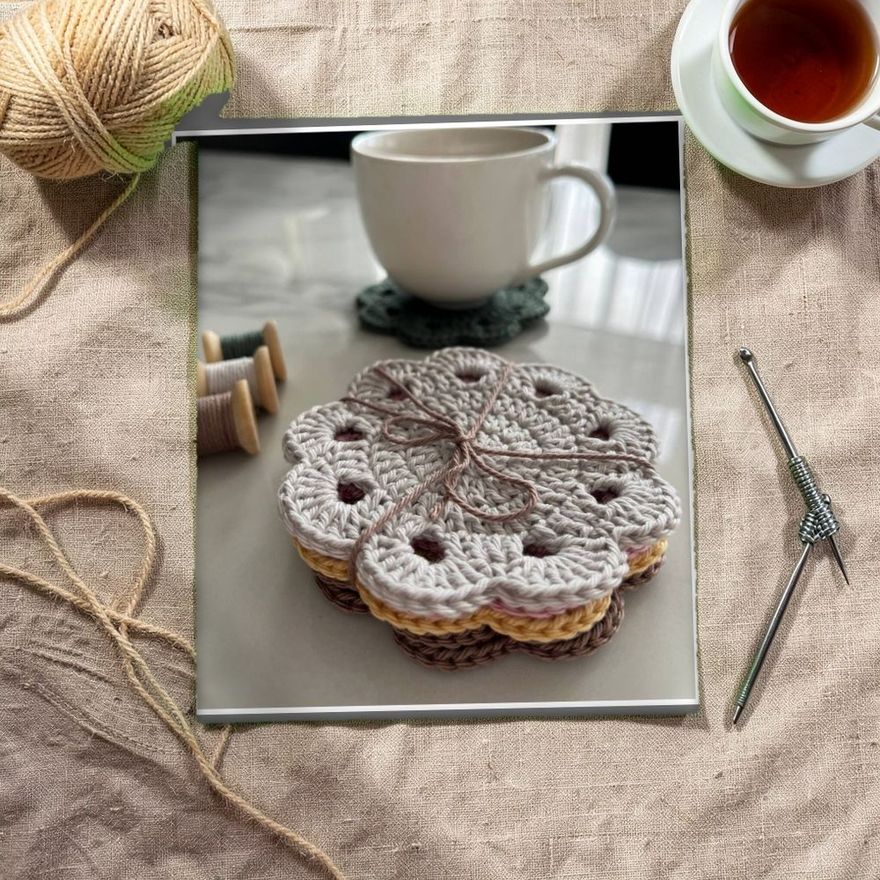
Four is a set and six is generous. Tied in a stack, they are one of the most dependable small crochet gifts, and in charcoal or navy they lead our list of crochet gifts for men.
Scale the flat circle up and it becomes a placemat; double it and it is a potholder. These three patterns take the coaster toward the rest of the table:

Boho Fringed Placemat and Coasters
See the listing ↗
Crochet Circular Placemat Pattern
See the listing ↗
Double Sided Round Potholders
See the listing ↗From the collection Crochet Home & Kitchen. New Creative Fabrica members get 10 free downloads, and any of these can be one of them.
Supplies for a Set of Coasters
A set of coasters asks for absorbent cotton, a way to mark the start of each round and a flat surface to pin on.
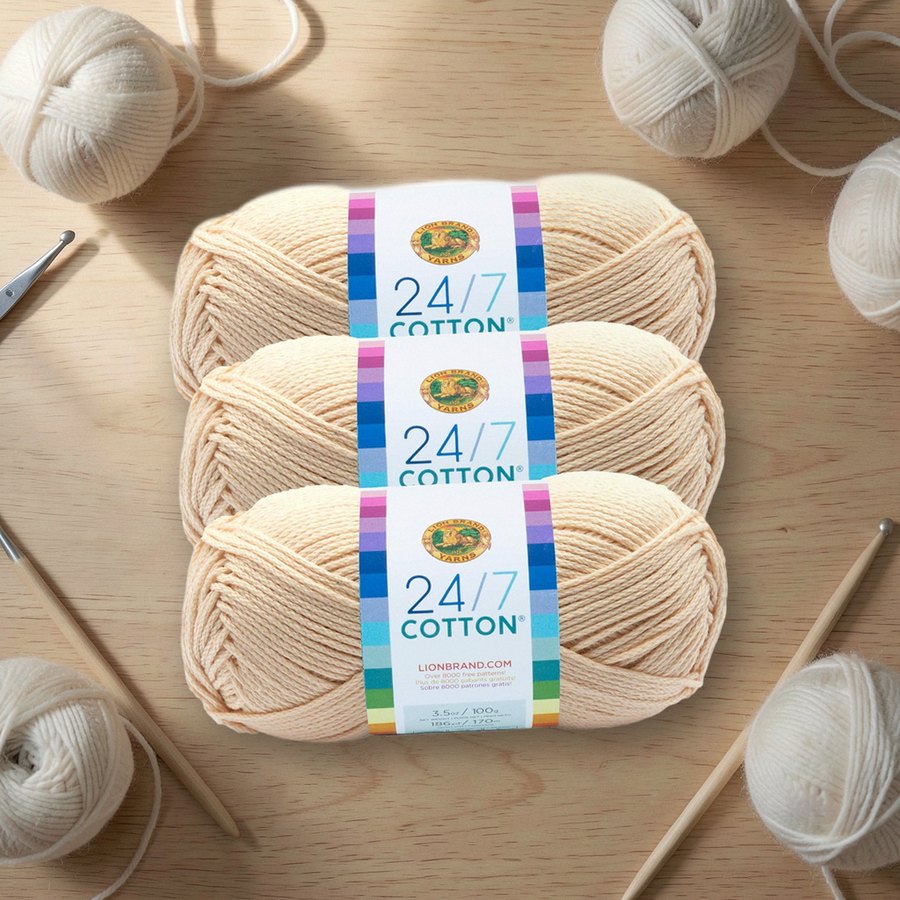 Worsted cotton yarn, three skeinsLion Brand YarnSee it on Amazon
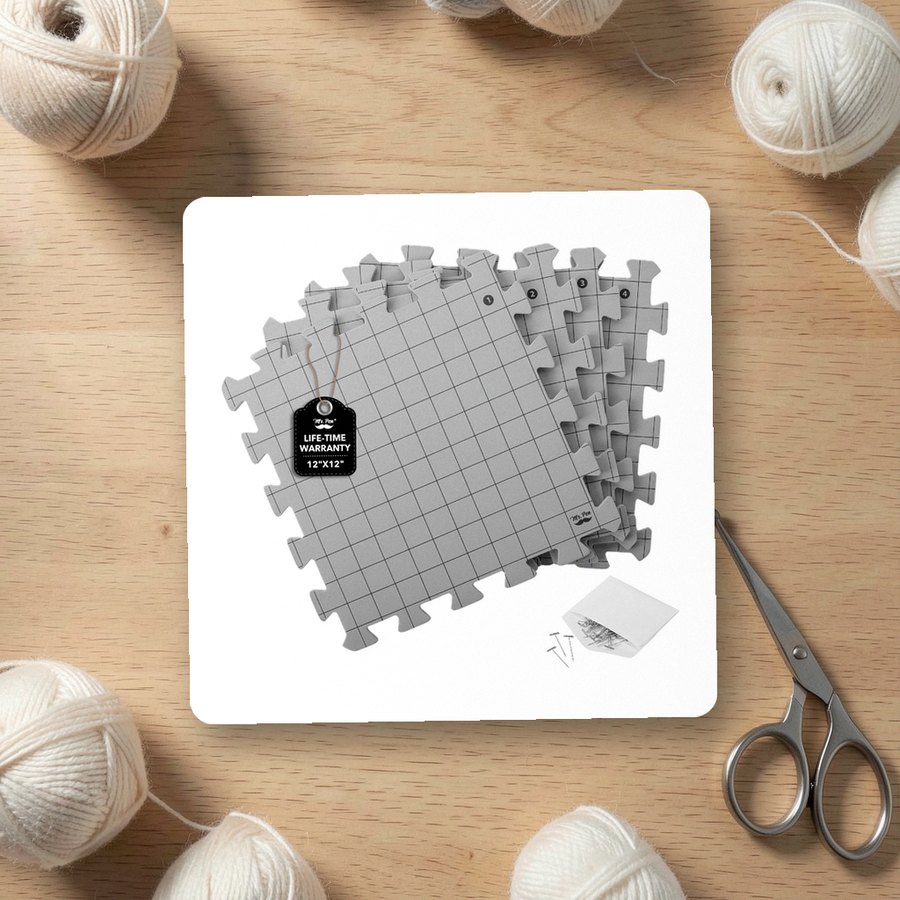 Foam blocking mats with T-pinsMr. PenSee it on Amazon
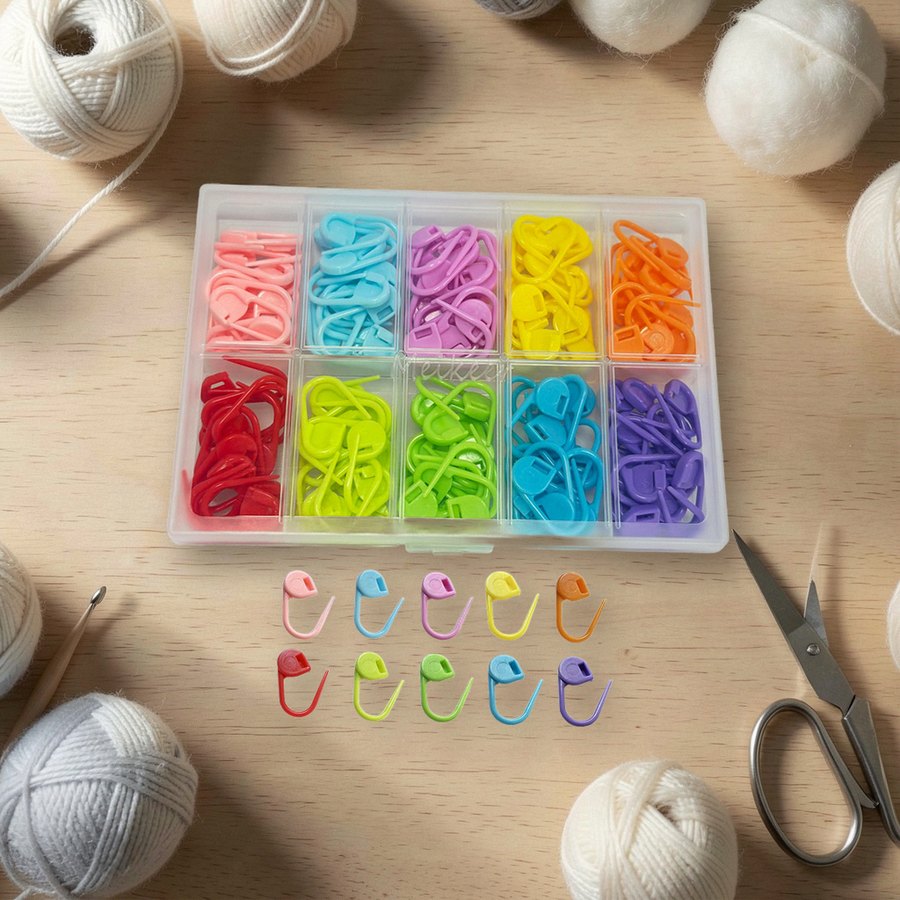 Locking stitch markersMeikeerSee it on Amazon
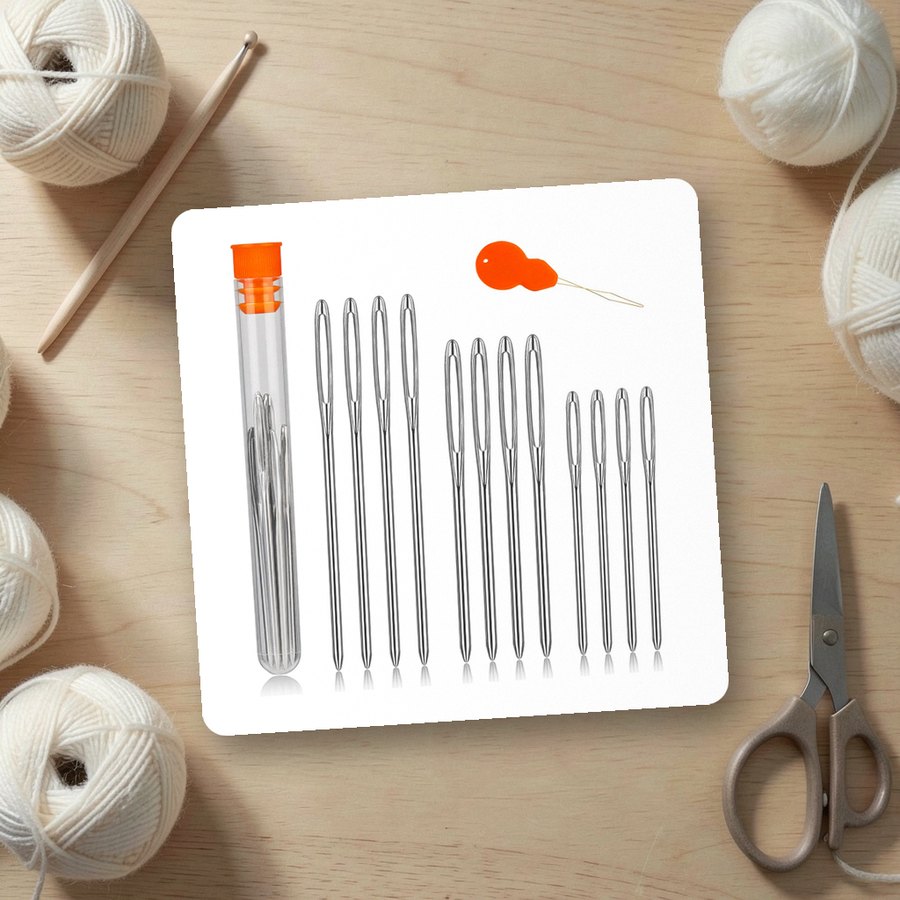 Blunt steel yarn needlesTLKKUESee it on Amazon
As an Amazon Associate we earn from qualifying purchases.
Make One Tonight
Start with a plain round coaster in single crochet. Count every round, lay it flat every second round, and stop at 4 inches. Once that one is flat, the rest of our crochet coaster and basket patterns are variations on what you have just done.
Patterns Mentioned in This Guide
Crochet Baskets & Coasters13 hand-picked · open the collection → Crochet Home & Kitchen13 hand-picked · open the collection →