The crochet that suits a craft fair table is small, quick to make and understood at a glance: keychains, bookmarks, coaster sets, washcloths, small baskets and, in the fall, Christmas ornaments. Choose three or four designs and make each in several colors instead of making one each of thirty things. Before the first stitch, read the terms on every pattern you plan to use, because designers and marketplaces set different conditions for selling what you make.
What Makes an Item Right for a Table
A visitor gives a table a few seconds. The items that do well in those seconds share some traits.
- No sizing. A keychain fits everyone. A hat means a conversation about head sizes, and often a walk away.
- Recognizable from six feet. A lemon, a heart, a star. If it needs explaining, it needs a sign.
- Quick to make. An hour or two each, so you can build stock and replace what goes.
- Sturdy. Pieces get picked up, squeezed and put back all day.
- Easy to carry. It should fit in a pocket or a small paper bag.
Small Items Worth Making
| Item | Making time | Why it suits a fair | Watch for |
|---|---|---|---|
| Keychain or bag charm | 1–3 hours | Small, giftable, endless shapes | Hardware must be attached securely |
| Bookmark | 1–2 hours | Flat, light, easy to display on cards | Must be blocked flat |
| Coaster set | One evening | Useful, sold as a tied set | All pieces the same size |
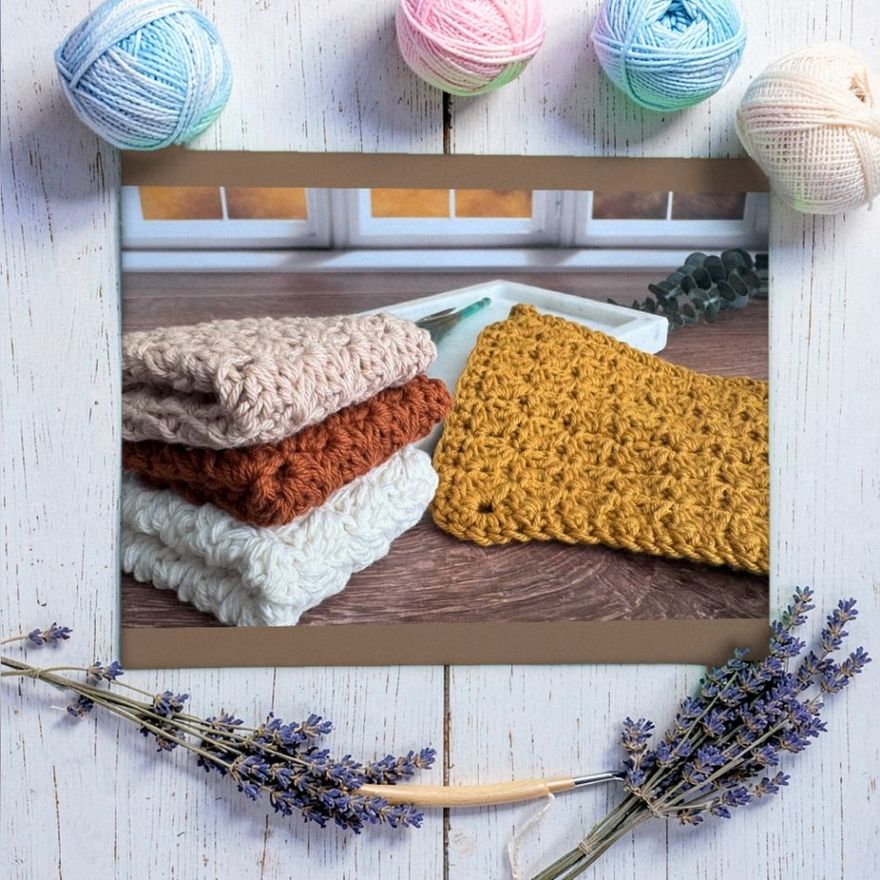
| Washcloth | 1–2 hours | Practical; pairs with soap | Cotton only |
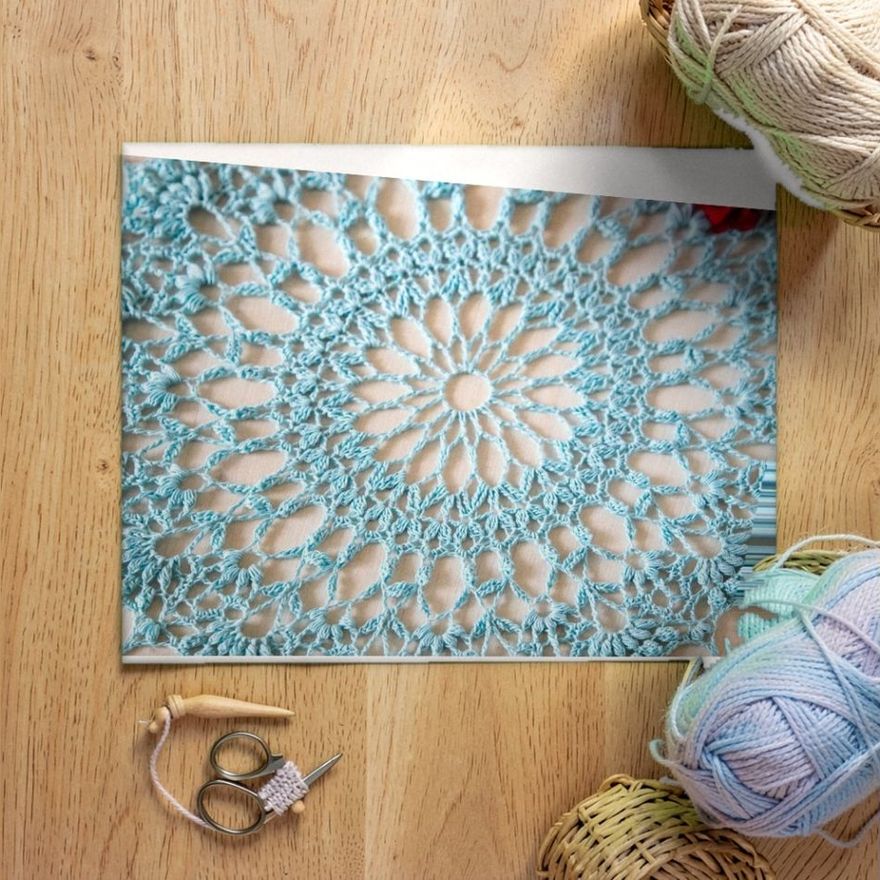
| Ornament | About an hour | Seasonal, bought in multiples | Thread lace needs stiffening time |
| Small basket | One or two evenings | Doubles as display | Uses more yarn and time |
| Applique or brooch | Under an hour | Fast to stock up | Needs a pin back or a card |
Times are rough and are for someone comfortable with the basic stitches.
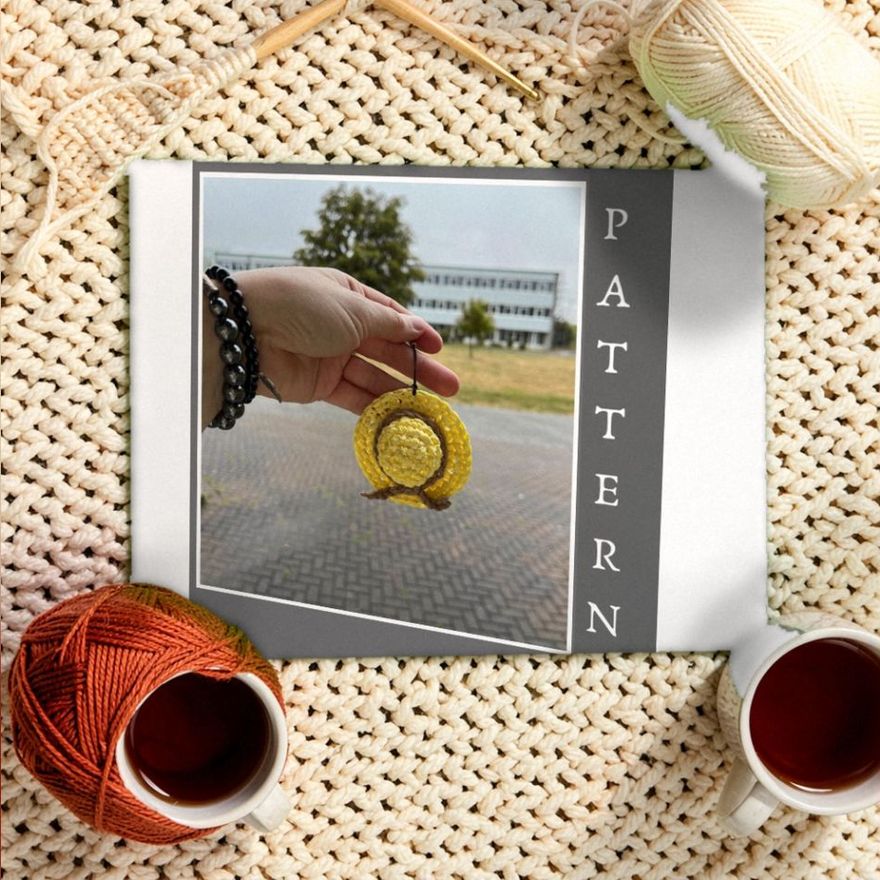
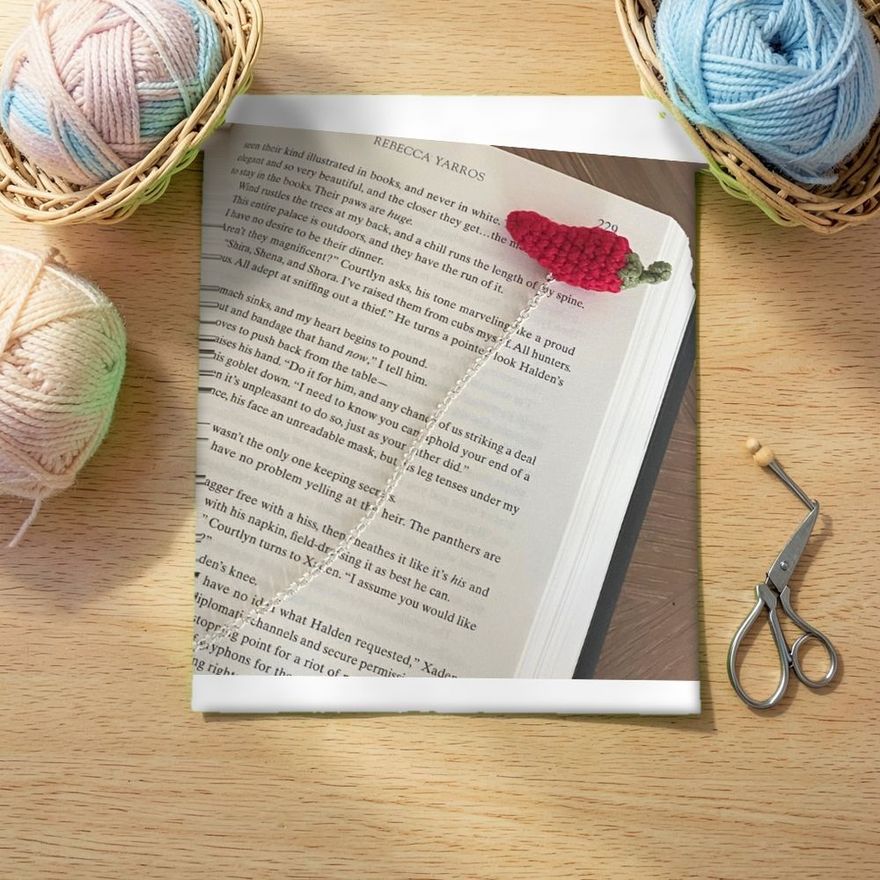
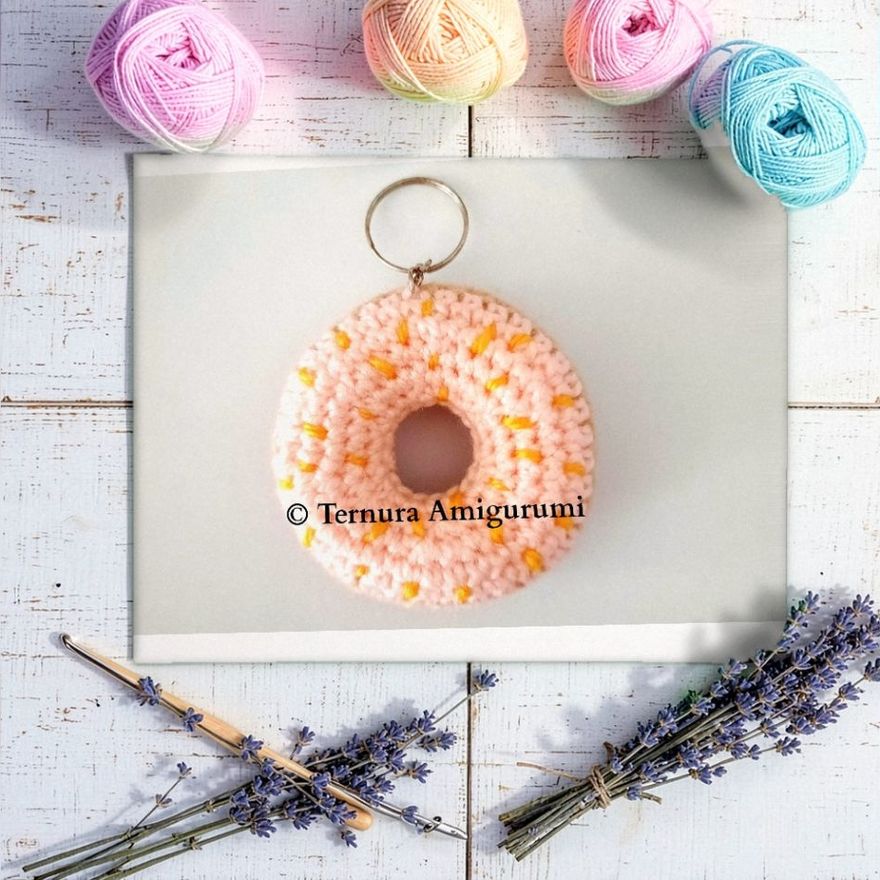
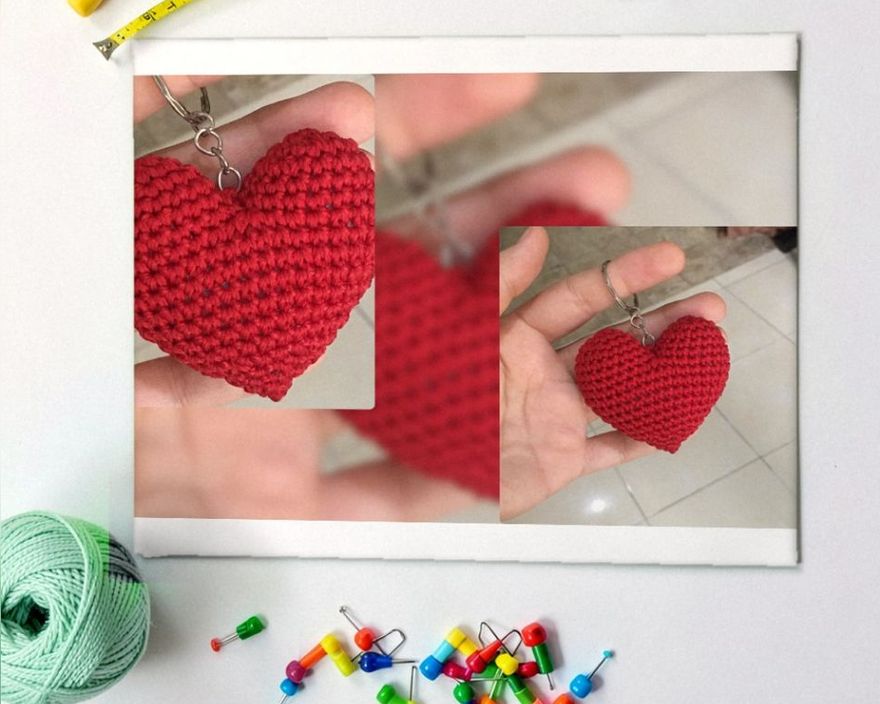
Keychains are the classic fair item, since one design in six colors fills a display. These three are shapes anyone can name from across an aisle, a straw hat, a chili pepper and a donut:
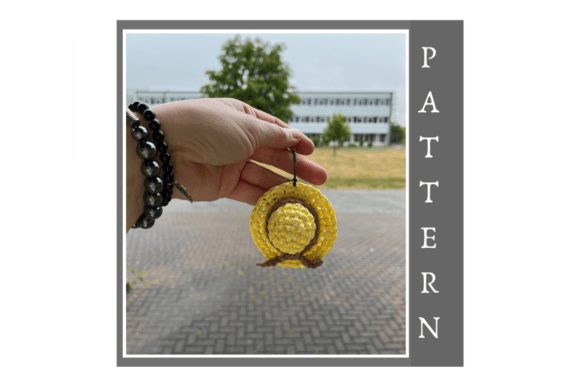
Crochet Mini Straw Hat Pattern, Keychain
See the listing ↗
Chilli Pepper Bookmark/keyring Crochet
See the listing ↗
Donut Keychain Crochet Pattern
See the listing ↗From the collection Crochet Keychains. New Creative Fabrica members get 10 free downloads, and any of these can be one of them.
How to attach rings and clasps so they hold is covered in our crochet keychain ideas.
Check the Pattern License First
A pattern is someone else's work, and two different things are in play: the pattern itself, and the objects you make from it.
- The pattern. Its text, photos and charts are protected by copyright. Copying, sharing or reselling the file is not allowed under any license you are likely to meet.
- The finished items. Many designers say plainly that you may sell what you make by hand, and some ask for a credit line on the tag. Others write "personal use only".
- The marketplace. A download often comes with the marketplace's own license on top of the designer's notes, and that license spells out whether physical items made from the file may be sold.
How far a designer can restrict finished items is a real legal question, and the answer depends on the country and on the terms you accepted when you downloaded. In the US, the Copyright Office's position is that copyright in a work that portrays a useful article does not extend to the article itself: a copyrighted drawing of a dress does not give the artist the exclusive right to make dresses of that design. That is general information, not legal advice. The practical rule is simpler and keeps you on good terms with the people whose work you rely on: follow the stated terms, and if selling is not mentioned, ask the designer before you make twenty. Keep a note of what each pattern allows.
Be careful with characters and logos. Cartoon characters, film characters and sports team emblems are protected by copyright and trademark, whatever the pattern says. Colors alone are generally fine; names, logos and mascots are not yours to sell.
Work in Batches
Making ten of one thing is much faster per piece than making ten different things, as long as you work in stages.
- Make one complete sample. Time it and note how much yarn it used. Fix anything awkward now.
- Crochet all the main pieces. All ten bodies, then all the small parts. Your hands settle into the pattern by the third.
- Stuff and close everything.
- Sew on the parts and embroider details in one sitting, with the sample in front of you so that they match.
- Weave in ends and attach hardware.
- Block and tag.
Keep the sample. It is your reference for size, and it tells you what to make again after a busy day.
A note on your time and yarn per piece is what lets you set a fair price later. Work that out from your own costs. This guide does not suggest figures, and no item is guaranteed to sell.
Plan a Color Range
One design in several colors looks like a collection. Many designs in random colors looks like a clear-out.
Choose four to six colors for each design and repeat some of them across the table, so that the bookmarks, the coasters and the keychains relate to one another. A workable range has one or two neutrals, two or three bright colors and one seasonal shade.
Buy from one yarn line where you can. Colors from the same line are the same thickness, so every piece of a design comes out the same size.
Follow the Season
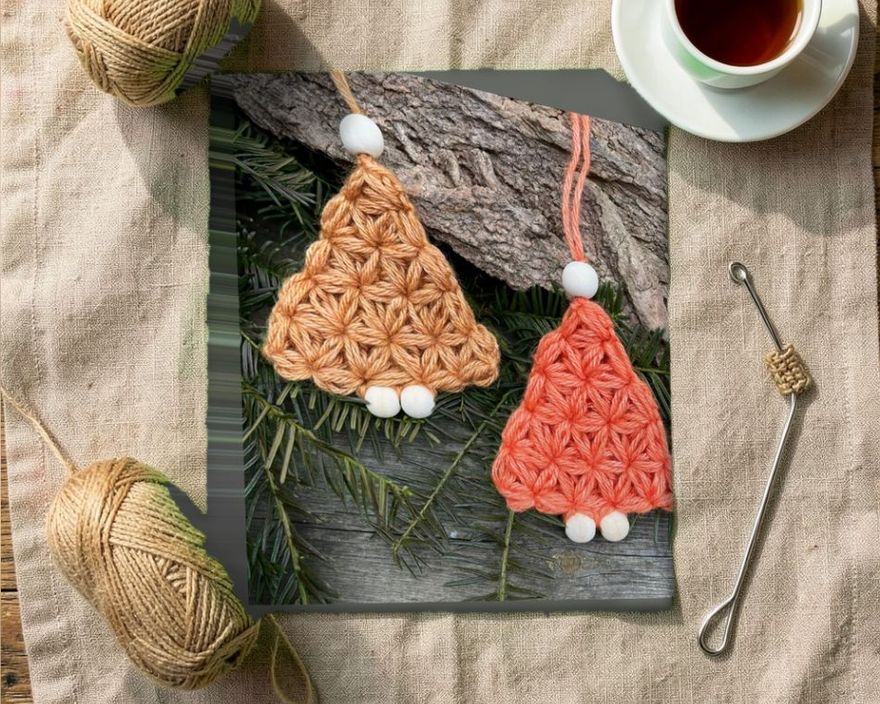
Fall and winter fairs are gift fairs. Ornaments, gift card holders and anything in red, green and white move to the front of the table. Lace snowflakes need stiffening and a day to dry, so start them weeks ahead; the schedule is in our guide to crochet Christmas decorations. An ornament set, a beginner star and a candy cane are enough to fill a holiday row:

Christmas Crochet Ornament Pattern Set
See the listing ↗
Beginner Crochet Star Ornament Pattern
See the listing ↗
Crochet Candy Cane Ornament Pattern
See the listing ↗From the collection Christmas Crochet. New Creative Fabrica members get 10 free downloads, and any of these can be one of them.
Spring fairs suit flowers, pastel bookmarks and Easter shapes. Summer suits bag charms and coasters.
Set Up the Display
A flat table shows only its front row. Height is what makes small items visible.
- Build up. Use crates, tiered shelves or a small rack so that items sit at several levels.
- Hang what hangs. Keychains and ornaments belong on a stand, a pegboard or a tabletop tree, at eye level.
- Card the flat things. Bookmarks and brooches fastened to plain cards stay neat and are easy to pick up.
- Use your own baskets. Crocheted baskets holding washcloths or coasters are display and stock at once.
- Cover the table to the floor. A plain cloth hides boxes and makes yarn colors stand out.
- Leave space. Put out a few of each and restock from under the table.
Ask the organizer for the table size before you plan, and set everything up at home once. The usual rental table is 6 or 8 feet long, 30 inches deep and 30 inches high, and a standard booth space is 10 by 10 feet. A cloth that reaches the floor on the front and both ends of a 6-foot table measures 90 by 132 inches. Bring a project to work on, too. People stop to watch someone crochet.
Labels and Care Cards
Every item needs a tag that answers the questions a buyer would otherwise have to ask:
- what it is and what it is made of ("100% cotton");
- how to wash it, taken from the yarn label;
- your name or shop name, and how to reach you;
- the price.
For bookmarks, coasters and anything flat, block the piece before it is tagged. A flat, even piece looks finished.
In the US, some items need more than a friendly tag. The Federal Trade Commission's textile labeling rules cover washcloths, dishcloths, towels, scarves, doilies and afghans, among others. If you sell those, the label must state the fiber content by percentage, the country of origin, and your name or registered number. Handbags and toys are outside those rules, and so are hats unless they contain wool.
Two cautions. Keychains and anything with safety eyes, beads or pins are not for babies or toddlers, and the tag should say so; safety eyes themselves are sold with a warning against use for children under 3. And items sold for children are regulated. The Consumer Product Safety Commission treats anything designed primarily for children 12 or younger as a children's product, which brings testing, a written Children's Product Certificate and a tracking label, and it bans small parts in anything meant for children under 3. Registered small-batch makers are excused from some of the lab testing, but not from the small-parts test. Read the CPSC's guidance before you label anything as a toy or a baby item, and check the rules of your own country if you sell elsewhere. The fair organizer can tell you what paperwork a seller needs locally.
Tags, Bags and Hardware for the Table
A tagged and bagged item looks finished and is quick to hand over at a busy table. Keychains and bag charms, the usual small sellers, also need rings and clasps bought in quantity.
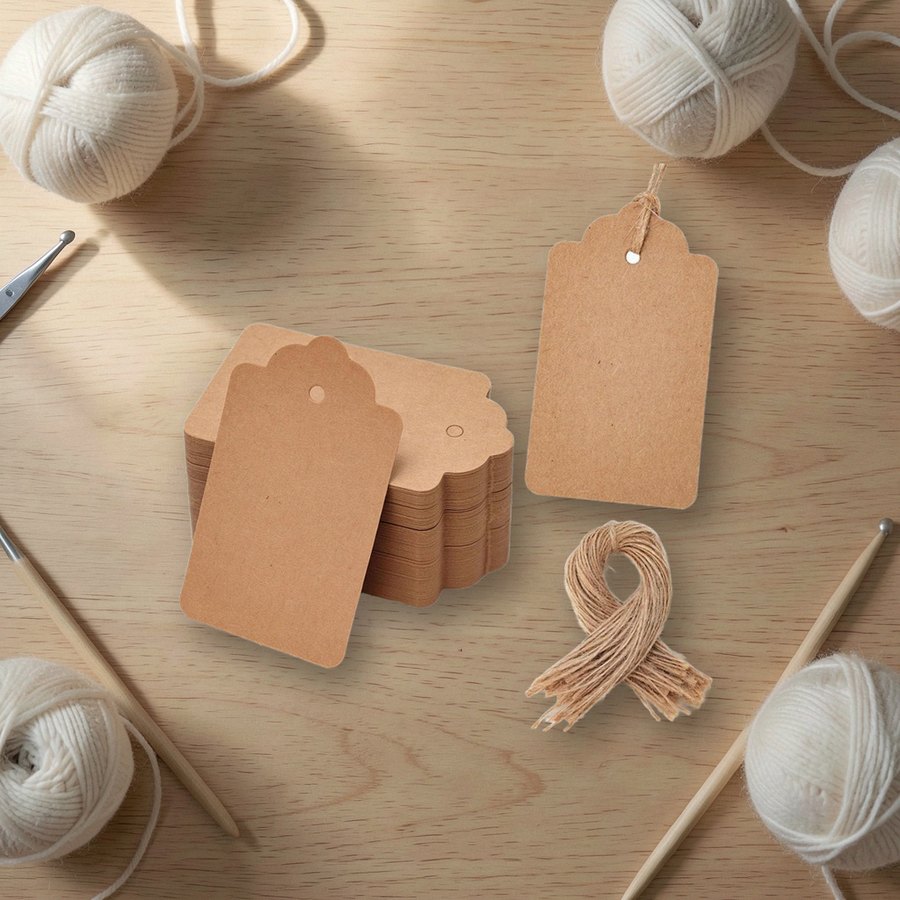 Kraft tags with stringSallyFashionSee it on Amazon
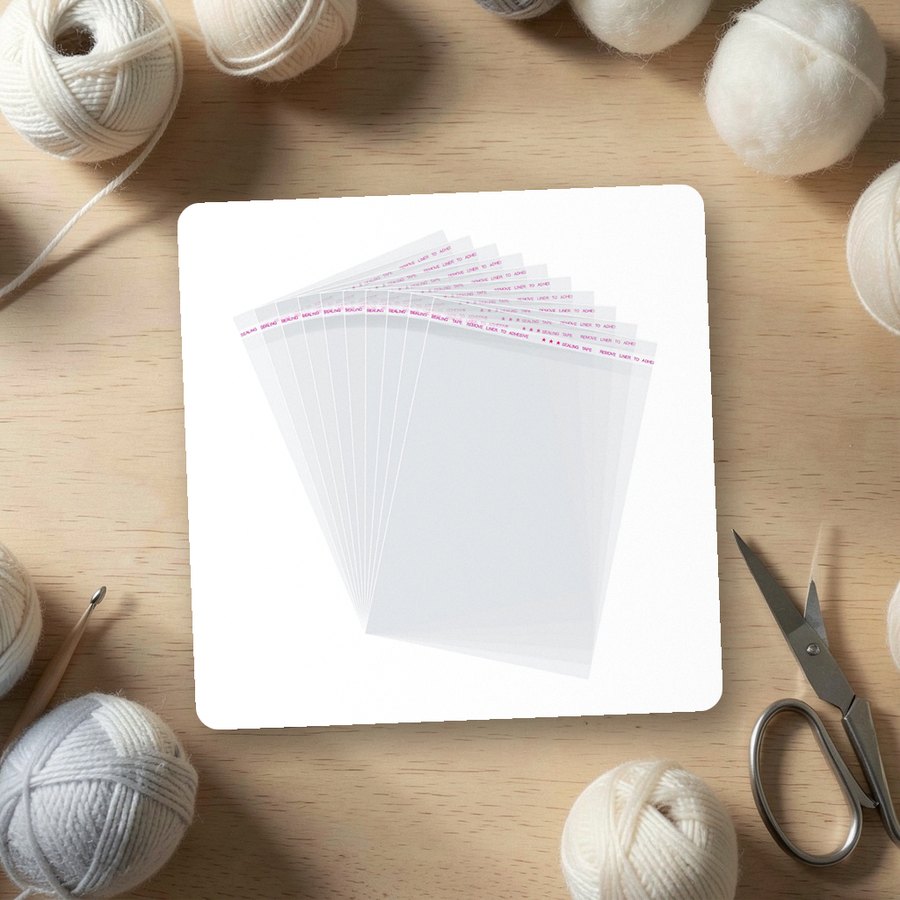 Clear self-sealing bags, 6 x 9MorepackSee it on Amazon
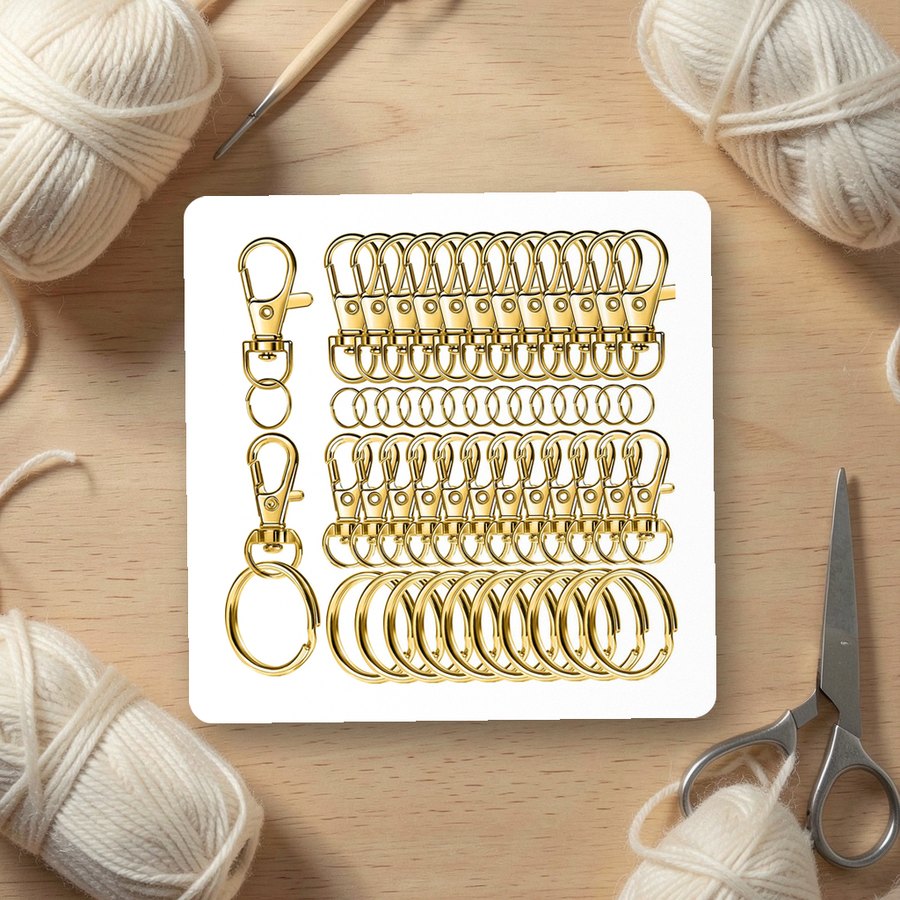 Swivel clasps with key ringsLEOBROSee it on Amazon
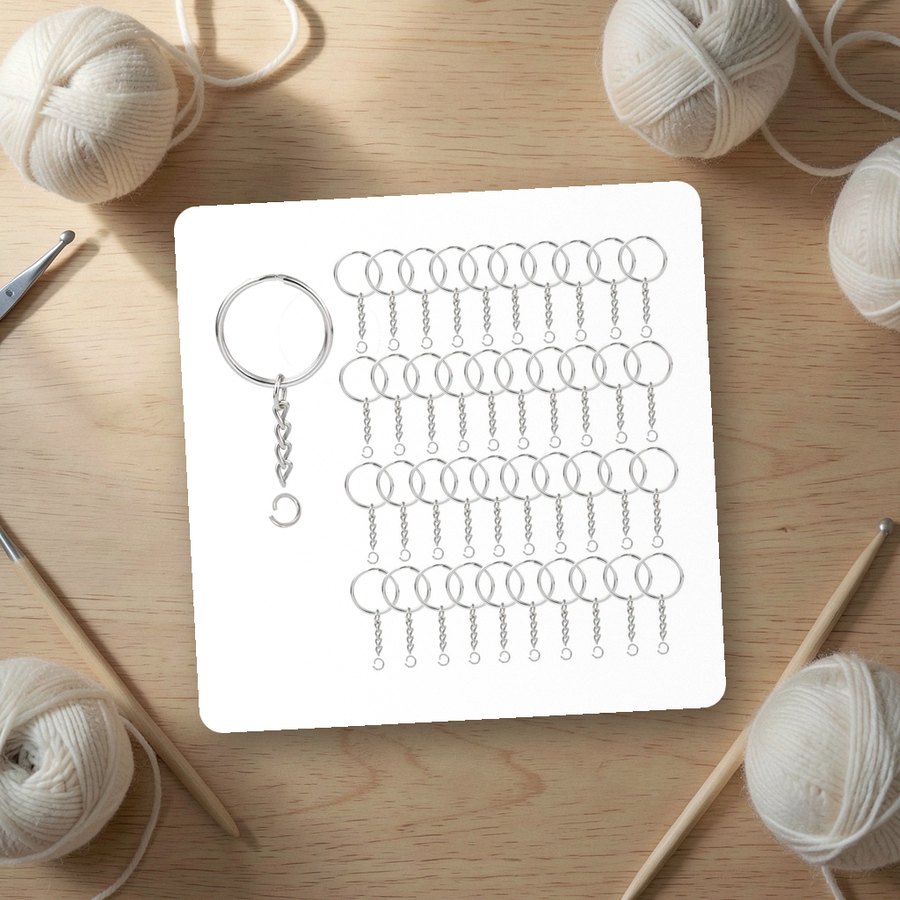 Split key rings with chainKANSPHYSee it on Amazon
As an Amazon Associate we earn from qualifying purchases.
Make Your First Fair a Test
There is no formula for how much to bring. For a first fair, go deep on a few designs, and keep a tally through the day of what people pick up, what they ask for and what they take home. Those notes are worth more than any list, including this one.
Start this week with one design from our crochet keychain patterns or crochet bookmark patterns. Check its license, make the sample, time it, and then decide whether it earns a place on the table.
Patterns Mentioned in This Guide
 Crochet Keychains11 hand-picked · open the collection →
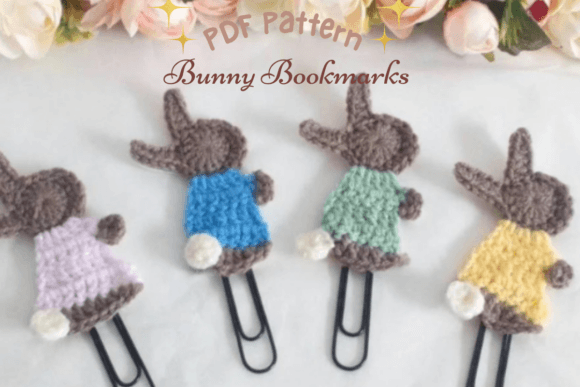 Crochet Bookmarks11 hand-picked · open the collection →Christmas Crochet13 hand-picked · open the collection →