A written crochet pattern is a set of short instructions, one line per row or round, written in abbreviations so that a whole blanket fits on two pages. Once you know about a dozen abbreviations and three punctuation rules, almost any pattern becomes readable. This guide walks through them in the order you meet them on the page.
Start With the Information Before Row 1
The first block of a pattern tells you what you need before you pick up the hook. Read it fully; it answers most questions that come up later.
- Skill level. Patterns that follow the Craft Yarn Council's standards use one of four levels: Basic, Easy, Intermediate or Complex.
- Materials. Yarn weight (for example, worsted or DK), fiber, and how much of it. Hook size is given in millimeters, often with the US letter as well.
- Finished size. What the item should measure when it is done.
- Gauge. How many stitches and rows fit in a set measurement. More on this below.
- Terms. A line saying whether the pattern uses US or UK terms. This one matters more than it looks.
- Abbreviations and special stitches. The designer's own list, including anything unusual.
Yarn weight means the thickness of the strand. US labels and patterns use the Craft Yarn Council's eight numbered categories, each with a suggested hook range:
| Category | Common names | Hook | Stitches in 4 in (single crochet) |
|---|---|---|---|
| 0 Lace | Size 10 crochet thread, lace | Steel 1.4–1.6 mm (US steel 6–8), or 2.25 mm (B-1) | 32–42 in double crochet |
| 1 Super Fine | Sock, fingering, baby | 2.25–3.5 mm (B-1 to E-4) | 21–32 |
| 2 Fine | Sport, baby | 3.5–4.5 mm (E-4 to 7) | 16–20 |
| 3 Light | DK, light worsted | 4.5–5.5 mm (7 to I-9) | 12–17 |
| 4 Medium | Worsted, afghan, aran | 5.5–6.5 mm (I-9 to K-10½) | 11–14 |
| 5 Bulky | Chunky, craft, rug | 6.5–9 mm (K-10½ to M-13) | 8–11 |
| 6 Super Bulky | Super bulky, roving | 9–15 mm (M-13 to Q) | 7–9 |
| 7 Jumbo | Jumbo, roving | 15 mm and larger (Q and larger) | 6 or fewer |
The Council calls these guidelines only. A pattern for a bag or a stuffed keychain often names a smaller hook on purpose, for a denser fabric.
The Abbreviations You Will See Everywhere
Most patterns are built from the same small set of stitches. These are the US abbreviations:
| Abbreviation | Meaning | What it does |
|---|---|---|
| ch | chain | The foundation, and the turning stitch at the start of a row |
| sl st | slip stitch | Joins a round or moves the yarn without adding height |
| sc | single crochet | The shortest, densest stitch |
| hdc | half double crochet | A little taller than single crochet |
| dc | double crochet | Twice the height of single crochet, works up fast |
| tr | treble crochet | Taller again, used in lace and shells |
| st / sts | stitch / stitches | Any stitch on the row below |
| sp | space | A gap made by chains in the row below |
| yo | yarn over | Wrap the yarn over the hook |
| sk | skip | Leave the next stitch unworked |
| inc | increase | Two stitches into the same stitch |
| dec | decrease | Two stitches worked together into one; sc2tog names the stitch |
| MR | magic ring | An adjustable loop that starts a round with no hole |
| FO | fasten off | Cut the yarn and pull it through the last loop |
| BLO / FLO | back / front loop only | Work into one loop of the stitch instead of both |
You do not need to memorize the table. Keep it open next to the pattern for the first two or three projects, and the common ones stick on their own. All of these are on the Craft Yarn Council's master list except MR and FO, which are amigurumi shorthand.
The turning chain at the start of a row matches the height of the stitch: 1 chain for single crochet, 2 for half double, 3 for double, 4 for treble. After single crochet the chain does not count as a stitch. For anything taller, the Council's rule is that the turning chain counts as the first stitch of the row unless the pattern says otherwise, and that changes where your first real stitch goes.
US and UK Terms Are Not the Same
The two systems use the same words for different stitches, which is a common reason a first project comes out the wrong size.
| US term | UK term |
|---|---|
| slip stitch (sl st) | slip stitch (ss) |
| single crochet (sc) | double crochet (dc) |
| half double crochet (hdc) | half treble (htr) |
| double crochet (dc) | treble (tr) |
| treble crochet (tr) | double treble (dtr) |
| double treble (dtr) | triple treble (trtr) |
| gauge | tension |
| yarn over (yo) | yarn over hook (yoh) |
If a pattern does not say which terms it uses, look for the words "single crochet" or "half double". Those names exist only in US terms, so their presence settles the question. A pattern that mentions "htr" or "half treble" is in UK terms.
Brackets, Asterisks and Repeats
Punctuation is how a pattern avoids writing the same thing forty times.
- Asterisks mark a section to repeat.
*sc in next 2 sts, inc; repeat from * 5 more timesmeans you work that group six times in total: once, then five more. - Brackets or parentheses group stitches that belong together.
(sc, ch 2, sc) in next stmeans all three go into the same stitch.[sc 3, inc] x 6means repeat the group six times: the number after the bracket is how many times to work it. - Commas separate one step from the next. Read them as "then".
When a line looks too long to follow, copy it out and put each comma-separated step on its own line. It reads slowly once and never confuses you again.
The Number at the End of the Line
Most patterns finish each row or round with a number, set off by brackets, a colon or a dash: (18), [18 sts] or —18 sc. That is the stitch count: how many stitches you should have when the line is done.
It is the cheapest error check in crochet. Count after every round on a new pattern. If you have 17 or 19 instead of 18, the mistake is in the round you just finished, and it takes a minute to pull back and fix. Found ten rounds later, the same mistake costs an evening.
Rows and Rounds
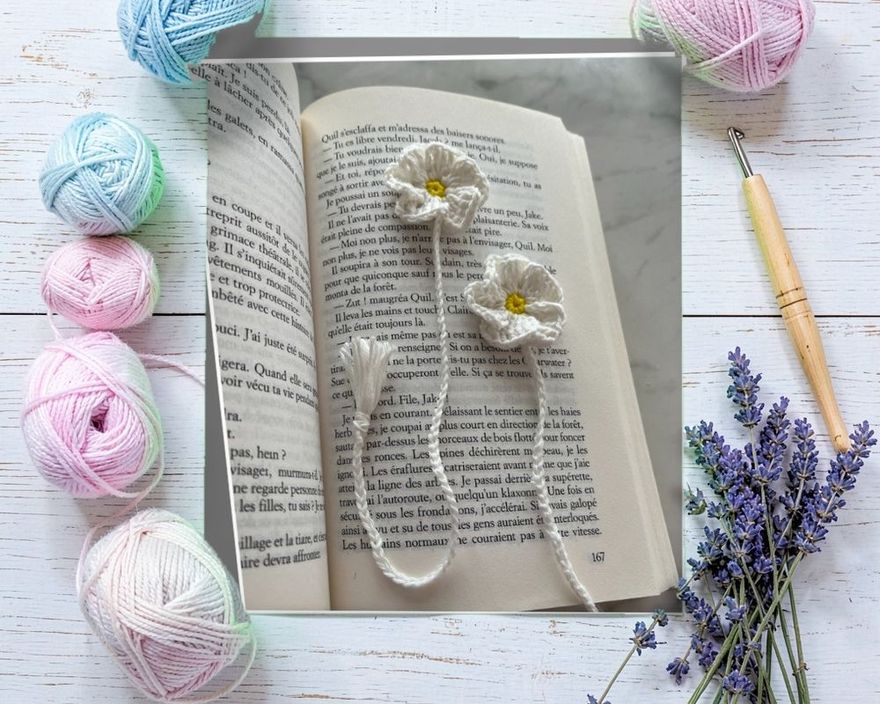
Flat pieces are worked in rows: you reach the end, chain, turn the work and come back. Coasters, washcloths and most bookmarks are made this way.
Tubes and circles are worked in rounds, and there are two kinds:
- Joined rounds end with a slip stitch into the first stitch, then a chain to start the next round. They leave a faint seam.
- Continuous rounds spiral without joining. There is no seam, but also no visible start, so put a stitch marker in the first stitch of every round and move it up as you go.
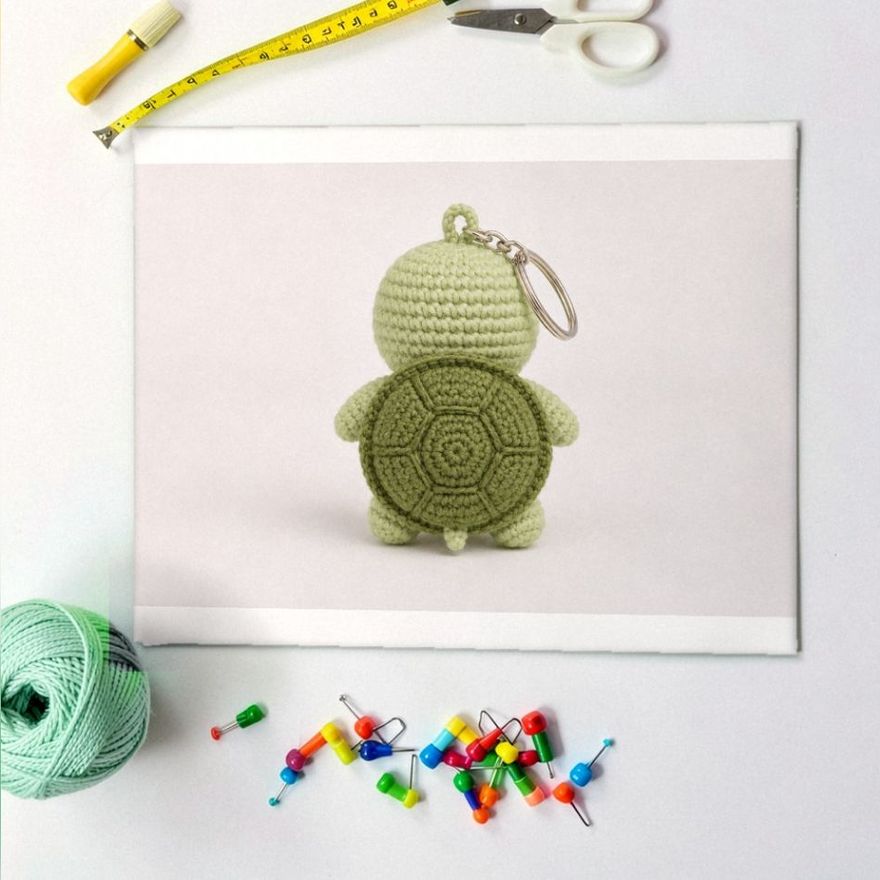
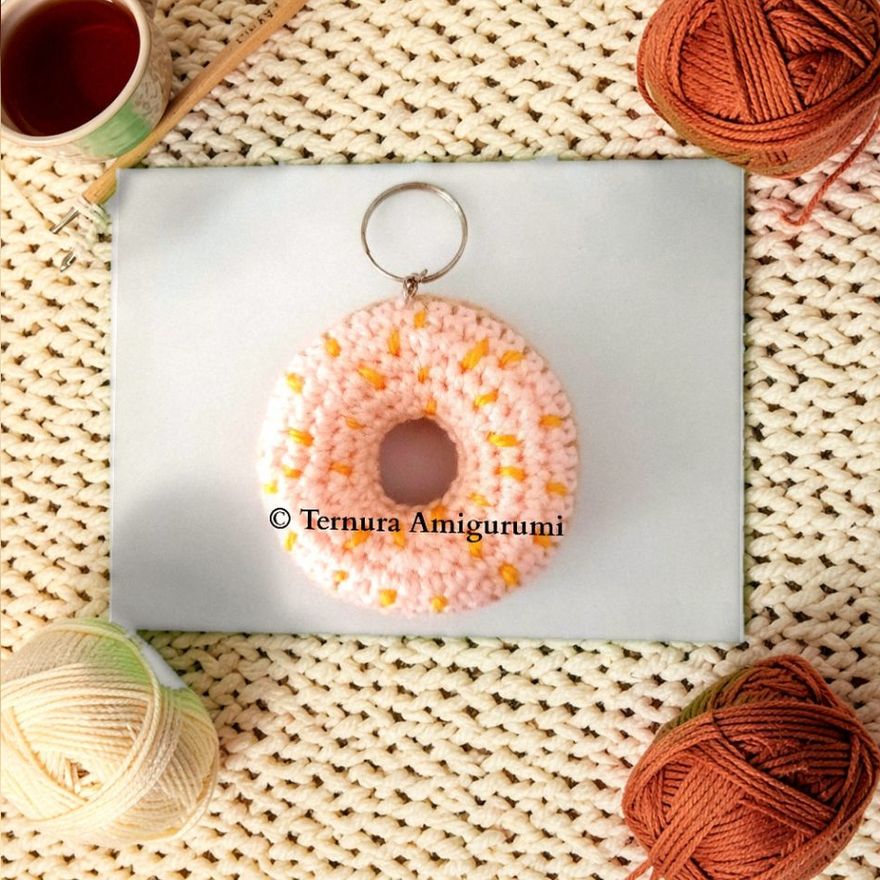
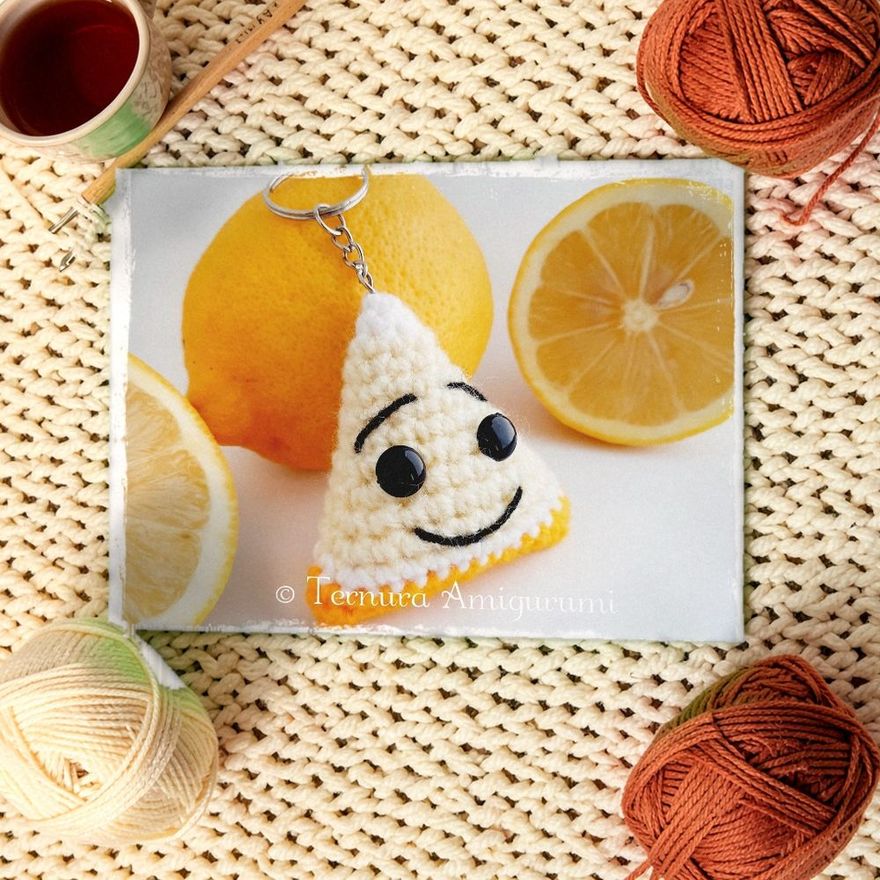
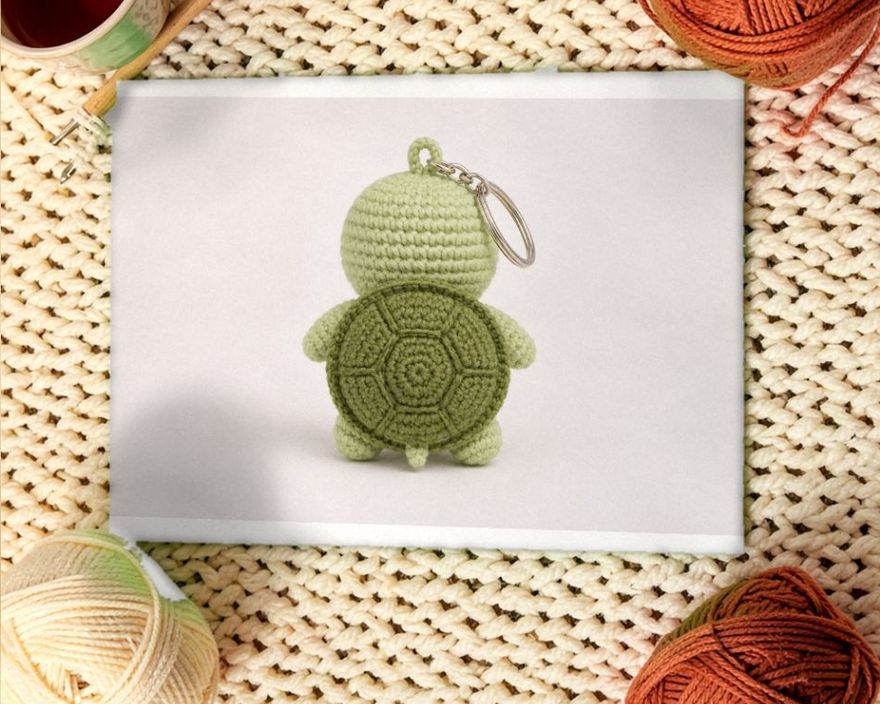
Small stuffed pieces such as keychains are nearly always worked in a continuous spiral, starting from a magic ring. They are a good place to practice it, because each one is finished in an evening.

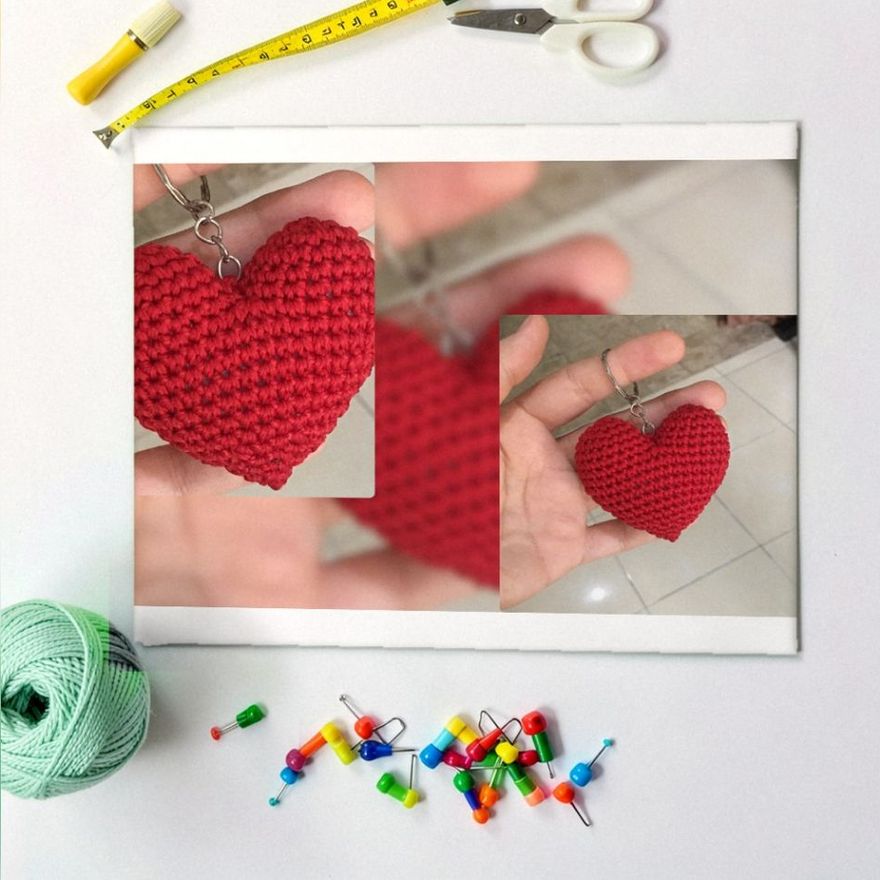
Heart Keychain Crochet Pattern
See the listing ↗
Donut Keychain Crochet Pattern
See the listing ↗
Lemon Keychain Crochet Pattern
See the listing ↗From the collection Crochet Keychains. New Creative Fabrica members get 10 free downloads, and any of these can be one of them.
Gauge: When It Matters and When It Does Not
Gauge is the designer's stitch density, written as something like "13 sc and 14 rows = 4 in (10 cm)", which happens to be the gauge printed on a ball of Lily Sugar'n Cream cotton for a 5 mm hook. If your stitches are tighter or looser, your finished piece will be smaller or larger than theirs.
For anything that has to fit — a hat, a bag that should hold a laptop, a basket meant to sit on a particular shelf — make a swatch a little larger than the gauge measurement, lay it flat and count. Too many stitches in the space means your work is tight, so go up a hook size. Too few means go down.
For a coaster, a bookmark or a keychain, exact size barely matters. What does matter is that the fabric is dense enough: stuffing should not show between the stitches, and a coaster should lie flat. If you can see gaps, drop a hook size regardless of what the pattern says.
Charts and Diagrams
Some patterns add a symbol chart: a drawing in which each stitch has its own mark. In the symbols the Craft Yarn Council has standardized, an oval is a chain, a filled dot is a slip stitch, a cross or plus sign is a single crochet, a plain T is a half double crochet, a T with one slash across its stem is a double crochet and a T with two slashes is a treble. The slashes are the yarn overs.
Charts for rounds are read from the center outward, counterclockwise. Charts for rows are read from the bottom up, alternating direction: right to left on odd rows, left to right on even ones. Those directions are for right-handed crocheters; left-handers reverse them.
Charts are optional. A written pattern is complete without one, and many crocheters use the chart only to check a line they are unsure about. Lace is where they earn their place, because you can see how the holes line up. If lace is where you are heading, our crochet home and kitchen collection has doilies to practice on, and the guide to blocking and stiffening crochet covers how to finish them.
Small Tools for Counting and Measuring
Following a pattern is mostly counting stitches and rows and measuring a swatch. These three do that work, so your attention stays on the hook.
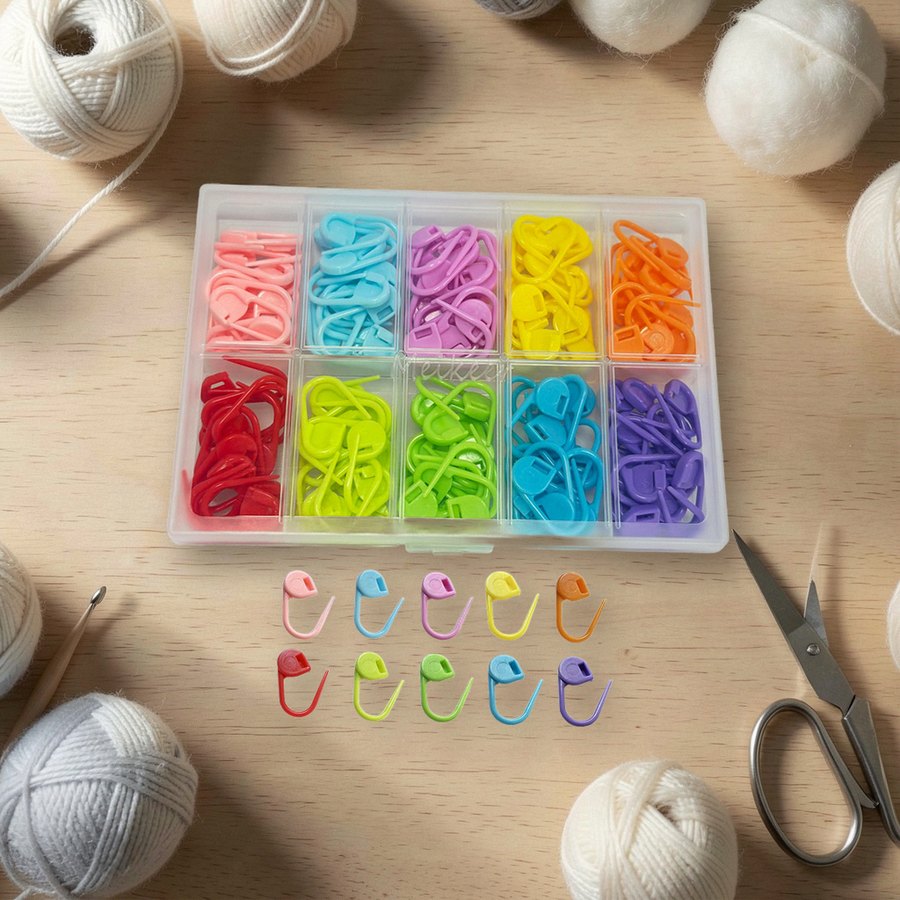 Locking stitch markersMeikeerSee it on Amazon
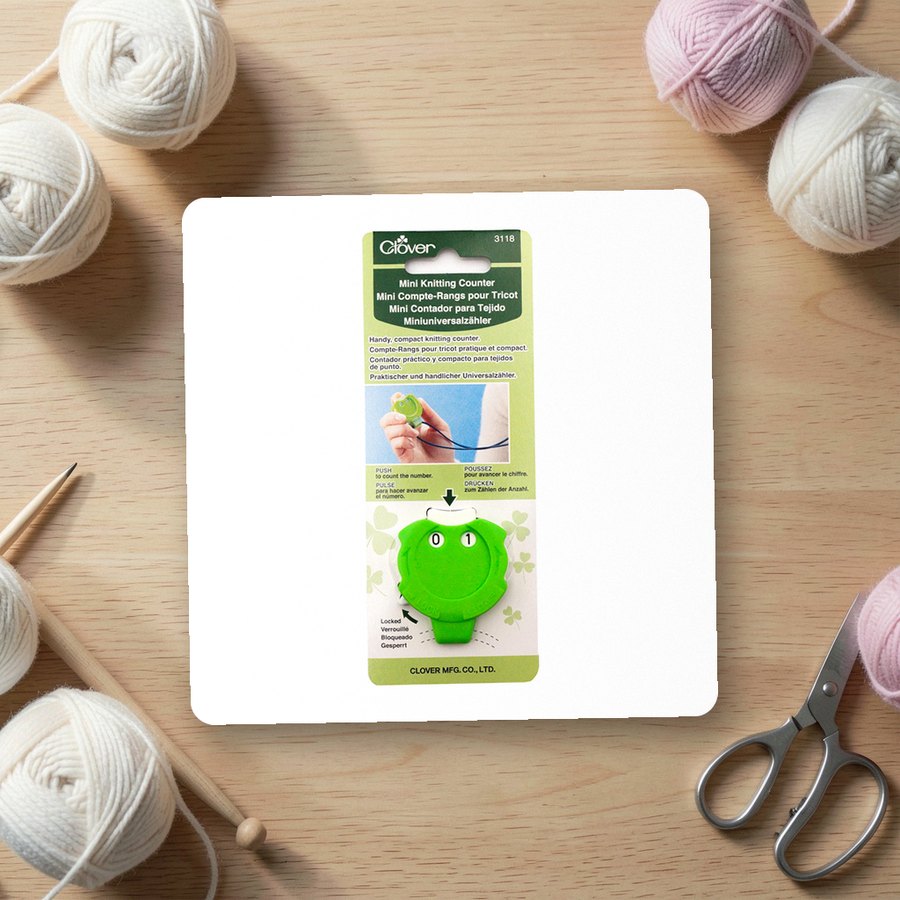 Click row counterCloverSee it on Amazon
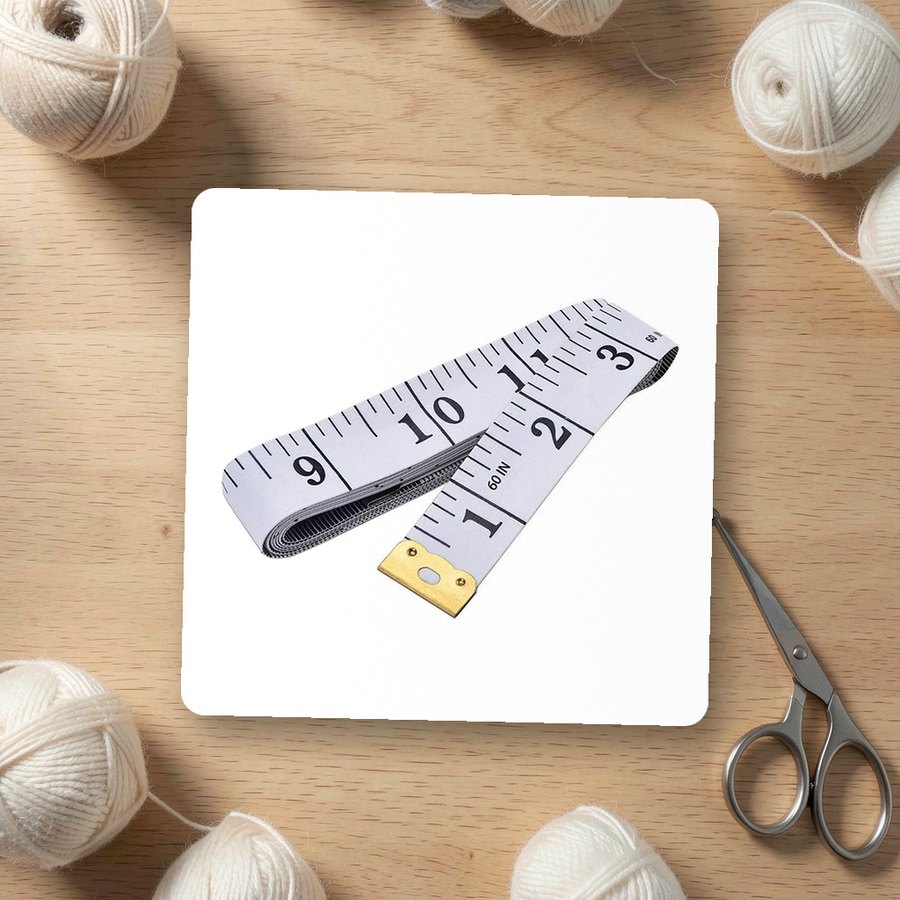 Soft tape measureGDMINLOSee it on Amazon
As an Amazon Associate we earn from qualifying purchases.
A First Pattern to Practice On
Choose something flat or very small, written in US terms, with a stitch count at the end of each line. A bookmark is close to ideal: it is a few dozen short rows, it uses one or two stitches, and nothing depends on gauge.

Heart Bookmark Crochet Pattern
See the listing ↗
Beginner Crochet Flower Bookmark Pattern
See the listing ↗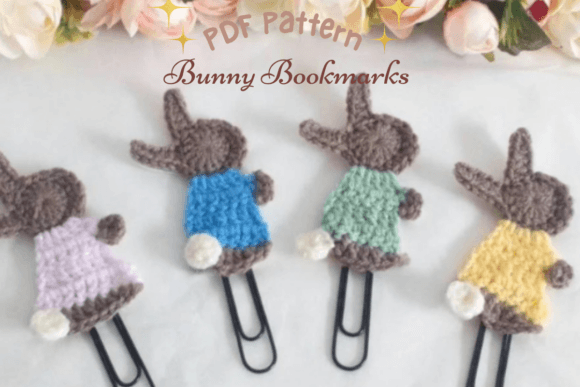
Crochet Bunny Bookmark Pattern
See the listing ↗From the collection Crochet Bookmarks. New Creative Fabrica members get 10 free downloads, and any of these can be one of them.
Read the whole pattern once before you start, mark the abbreviations you do not know, and look each one up. Then work the first three rows slowly, counting at the end of each. By the fourth row you are no longer decoding, you are just crocheting. When you are ready for something bigger, the list of beginner crochet projects puts the next steps in order of difficulty.
Patterns Mentioned in This Guide
 Crochet Keychains11 hand-picked · open the collection →Crochet Bookmarks11 hand-picked · open the collection →